New Product - Portable Radon Gas Detector
Hans School
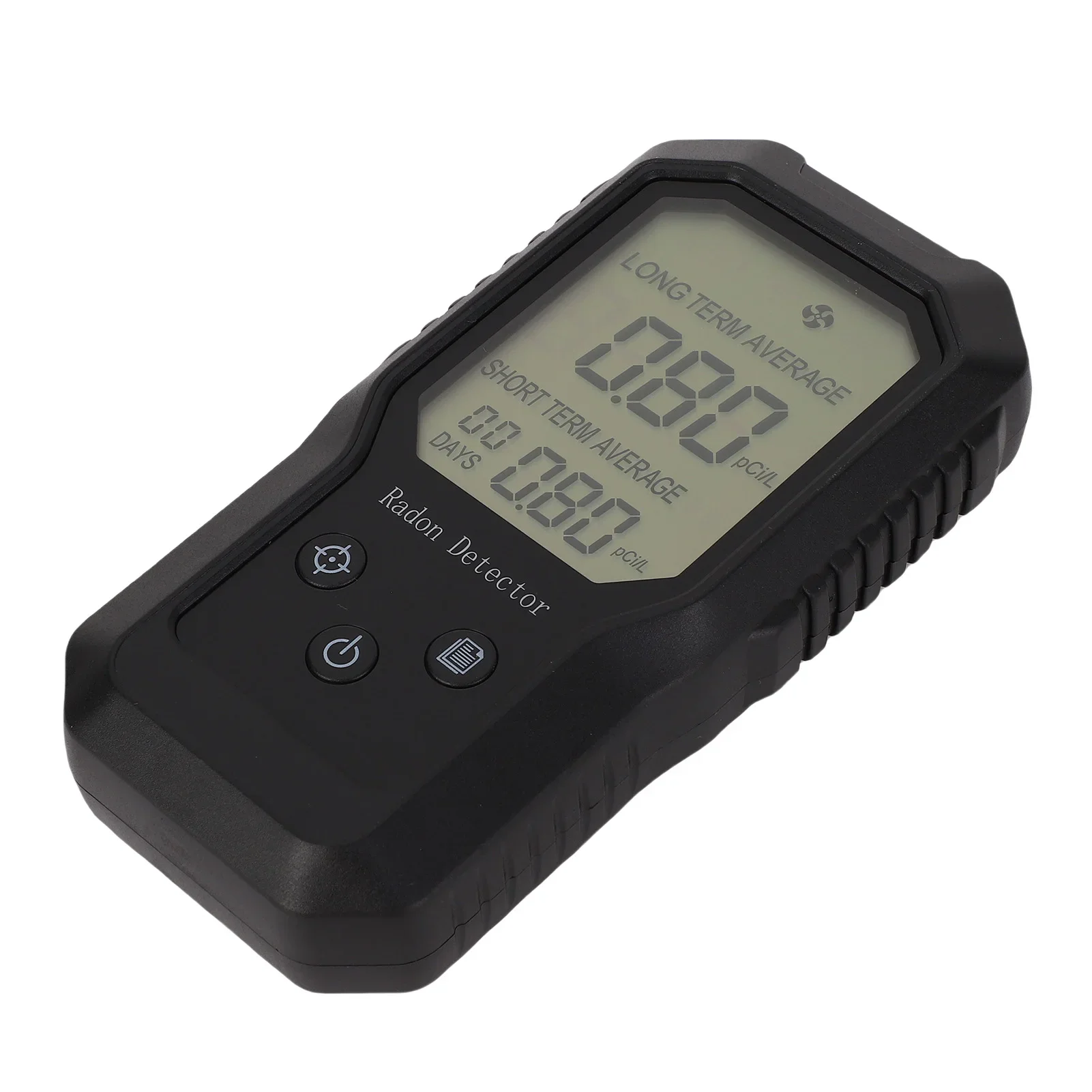
Following a recent CBC report highlighting elevated radon gas levels in Canadian homes, we were moved to introduce a straightforward radon detector to our product line. The investigation underscored the significant link between radon exposure and lung cancer rates nationwide (link to article). For homeowners, the ability to verify that indoor levels remain below the recommended threshold can offer meaningful reassurance. However, even if the readings come back high, there are some practical steps you can take to reduce the exposure levels.
The unit we carry is consumer grade, which means it reaches a margin of error around +/- 5% over time. Whilst industrial grade units do exist, which can be more accurate, they are usually in the tens of thousands of dollars range. Home users would really just be determining whether their home is “Safe” or “Dangerous” rather than recording very specific numbers. Moreover, the user should also take into account that the threshold classified as “dangerous” encompasses a broad range when considering the varying recommendations issued by different countries and health organizations around the world.
Danger Levels
Here are the safe - dangerous Radon Levels (pCi/L) as suggested by the Canadian Government:
Under 2 pCi/L = Low, but no level is risk‑free.
2–5.4 pCi/L = Elevated; consider mitigation planning.
≥ 5.4 pCi/L = Dangerous — mitigation recommended.
16.2 pCi/L = Urgent Level: Above these levels, mitigation should be completed within one year.
Just as a comparison to international standards, World Health Organization (WHO): Recommends action at 2.7 pCi/L (100 Bq/m³).
Other Alternatives
The benefit of owning this type of detector is being able to use whenever you like, and to take it to other locations you may want to measure, but it is not the only way to test your home for Radon Gas. Many municipalities and libraries will offer a Radon Gas device to borrow for free. If not, there are one-time-use test kits on the market for $50 range, so testing does not have to be expensive. Ultimately, we encourage people to use any means available to test for this danger in their homes.